You scroll past a gym video and the comments are full of one strange word: chama. Maybe you laughed along, or quietly Googled it. That confusion is more common than you think, and nobody likes feeling left out of the joke.
This guide shares the full chama meaning, from Portuguese roots to real chat examples and replies. Knowing the meaning helps you join conversations with confidence. Stay with me, because the chama meaning might surprise you.
What Does Chama Mean?
Ever heard someone shout it and wondered what the excitement was about? The chama meaning is simple at heart, yet its deeper meaning shifts with the moment and the speaker.
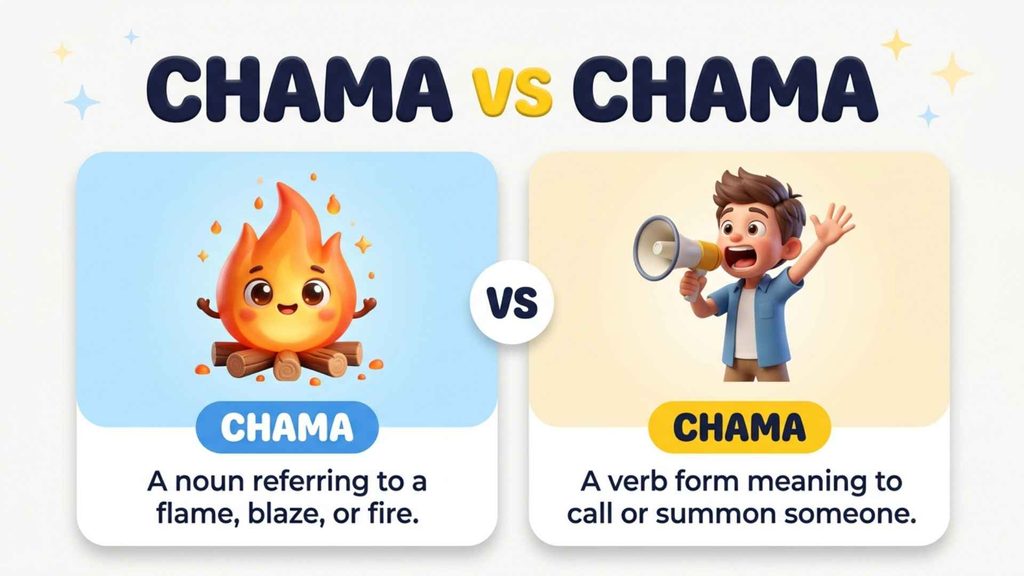
Chama is a Portuguese word that literally means flame or fire. In everyday internet slang, it grew into a shout of hype, energy, and passion. People use it to cheer a win, back a friend, or pump themselves up before a big moment.
The word also comes from the Portuguese verb chamar, which means to call. That double life explains why Brazilians say it as a call to action, almost like “bring it” or “let’s go.” Online, most people use the fire sense and skip the grammar lesson.
Think of it as a verbal spark. When a crowd cheers, one voice shouts it and the energy spreads. That emotional boost explains why the chama meaning feels so natural in celebrations, pep talks, and group chats where everyone wants to share the same fire.
How Do You Explain Chama in Simple Words?
- Literal meaning: flame or fire in Portuguese.
- Slang meaning: hype, energy, excitement, and strong motivation.
- Tone: positive, loud, and playful, never rude.
- Closest English: “let’s go,” “bring it,” or “that’s fire.”
- Best moments: wins, workouts, launches, and big plays.
- Spelling: often stretched into “chamaaa” for extra hype.
| Aspect | Details |
| Language | Portuguese |
| Literal meaning | Flame, fire |
| Slang meaning | Hype, energy, passion |
| Tone | Energetic and positive |
| Common places | TikTok, Instagram, WhatsApp, gyms |
Example in texting:
Friend 1: Just got the promotion. Chama! 🔥
Friend 2: Told you! Dinner is on you now.
What Is the Meaning of Chama in Text?
Seeing a lone word pop up in your messages can feel confusing, right? In chat, the chama meaning is hype, and its everyday meaning is “let’s go” with extra fire.
In texting, chama works as a quick burst of excitement. Nobody expects a dictionary definition when they send it. It usually sits next to a fire emoji, a bunch of exclamation marks, or a stretched spelling like “chamaaa.” The word carries the mood, not the grammar.
Context decides everything. After good news, chama means congratulations. Before a game, it means get ready. Under a gym clip, it means you’re crushing it. If you read the message the way you’d read a cheer, you will almost never get it wrong.
Timing matters in instant messaging. Send it right after good news and it lands like a high five. Send it hours later and it can feel flat. Fast replies keep the conversational tone alive, which is why the chama meaning shines in quick, friendly exchanges.
How Is Chama Used in Everyday Conversations?
- Celebration: reacting to a win, promotion, or personal best.
- Encouragement: pushing a friend before an exam, match, or pitch.
- Reaction: commenting under TikTok and Instagram clips.
- Self-hype: captioning your own progress photos.
- Stand-alone reply: sending just “Chama!” as a full message.
- Emoji pairing: adding 🔥 to boost the energy.
Example in chat:
Friend 1: Passed my driving test on the first try!
Friend 2: Chamaaa! Okay, you’re driving us to the beach.
What Does Chama Mean in Slang?
Slang moves fast, and chama caught the wave early. The chama meaning in slang blends fire, confidence, and motivation, giving this short word a meaning much bigger than its size.
As Gen Z slang, chama stands for intensity. It’s the word you drop when someone is on fire, figuratively speaking. It overlaps with phrases like “that’s fire,” “let’s go,” and “beast mode,” yet it feels more action-driven than all three.
Slang also lives and dies by tone. Chama is never sarcastic in normal use. It’s warm, loud, and supportive. Compared with older words like “lit,” it focuses less on how fun something is and more on the drive behind it.
Many slang words fade within a season, but this one has staying power because it is rooted in a real language. That cultural roots advantage gives it authenticity. People sense it carries a story, which makes the chama meaning feel richer than empty trend talk.
How Is Chama Different From Other Hype Slang?
- Chama: pushes action, energy, and momentum.
- Let’s go: announces readiness to start something.
- That’s fire: praises something impressive or stylish.
- Lit: describes a fun, exciting atmosphere.
- Beast mode: describes extreme effort, usually in fitness.
| Slang | Core Idea | Best Used For |
| Chama | Fire and drive | Wins, workouts, launches |
| Let’s go | Readiness | Games, plans |
| That’s fire | Praise | Music, outfits |
| Lit | Fun vibe | Parties, events |
Example in texting:
Friend 1: Bro, new deadlift record today.
Friend 2: Chama! That’s actual beast mode.
Where Did Chama Originate?
Every popular word has a backstory, and this one starts far from your phone screen. The chama meaning traces back to Portuguese, where its original meaning was simply a flame.
Chama is a Portuguese word, spoken across Brazil and Portugal. Brazilian culture, especially MMA and fitness, pushed it into the spotlight. Fighters and fans use it as a shout of confidence, and a popular story credits former UFC champion Charles Oliveira for spreading it beyond Brazil.
Short clips did the rest. As gym creators, athletes, and fans reposted fight moments on TikTok and Instagram Reels, the word jumped languages. Today, people who have never studied Portuguese use it purely for hype. That journey from local expression to global digital slang happened surprisingly fast.
Language experts often note that words spread fastest when sports, music, and social media collide. This word hit all three. Its path shows how cultural exchange works online, where a phrase from one country can become global slang after a few viral videos.
How Did Chama Become Global Internet Slang?
- Portuguese roots: the word began as a plain noun for flame.
- Brazilian sports culture: fighters and fans made it a rallying cry.
- Viral clips: short videos carried it across borders.
- Fitness creators: gym content turned it into motivation language.
- Social sharing: comment sections spread it to non-Portuguese speakers.
| Stage | What Happened |
| Roots | Portuguese noun for flame |
| Sports | Brazilian fighters and fans use it as a battle cry |
| Social media | Clips spread it on TikTok and Instagram |
| Global slang | Non-Portuguese speakers use it for hype |
Example in chat:
Friend 1: Why is everyone commenting chama on that fight clip?
Friend 2: It’s Brazilian hype slang. Basically “let’s go” with fire.
How to Use Chama in a Sentence
Learning a new word feels easier once you can say it out loud. Using the chama meaning correctly takes one simple rule: match the energy, let the meaning carry itself.
Chama usually works as an exclamation, so it often stands alone or opens a sentence. You can say “Chama, we’re winning!” or end with it, like “New launch tomorrow, chama!” Punctuation matters. An exclamation mark gives it the right punch.
You can also treat it like a hype word inside a phrase. Combos such as “chama time” or “full chama mode” show up often online. Keep it short, keep it positive, and use it when the moment actually deserves excitement.
Pronunciation helps too. In Portuguese it sounds close to SHAH-mah, with a soft opening sound. English speakers often say it the same way, which keeps the vibe authentic. Using the right sound shows respect for its Portuguese language origins, even when you’re just joking around.
What Are Simple Sentences With Chama?
- Opening shout: “Chama! We start in five minutes.”
- Closing cheer: “Big presentation done, chama!”
- Reaction: “You hit 100 kilos? Chamaaa!”
- Self-motivation: “Monday morning run, chama time.”
- Group hype: “Squad, chama! Today we win.”
Example in texting:
Friend 1: Big interview tomorrow. Wish me luck.
Friend 2: You’ve got this. Chama!
Examples of Chama in Text Messages
Nothing explains slang like real chats. These everyday examples show the chama meaning at work, proving the meaning stays hype, warm, and positive across WhatsApp, Instagram, and even TikTok comments.
On WhatsApp, chama often shows up in group chats planning games or trips. In Instagram DMs, it appears after progress photos or personal records. On TikTok, it fills comment sections under workout clips and business wins. The pattern never changes: high energy, supportive tone.
Notice how people stretch the spelling or add emojis. That isn’t random. Extra letters work like a louder voice, helping a text sound more excited than plain typing ever could.
Real chat examples also teach etiquette. Notice that nobody explains the word after sending it. The reader understands instantly through context clues like emojis, exclamation marks, and the situation. That shared understanding makes the chama meaning a smooth part of everyday digital talk.
What Do Real Chama Text Conversations Look Like?
- WhatsApp: planning a late-night football match with friends.
- Instagram DM: celebrating a gym milestone or new personal best.
- TikTok comment: cheering a creator launching a new brand.
- Group chat: hyping the team before a big game.
- Work chat: casual startup celebration after a successful pitch.
Example in texting:
Friend 1: Booked the turf for 9 PM tonight.
Friend 2: Finally! Chama 🔥 Today we win.
Example in chat:
Friend 1: Just hit a 100 kg bench press today.
Friend 2: Chamaaa! Hard work is paying off.
Example in chat:
Friend 1: Launching my brand next week.
Friend 2: Chama! So proud of you.
Other Meanings of Chama
Words travel and pick up new lives along the way. Beyond Portuguese hype, the chama meaning changes in other languages, so the meaning you need depends on who is speaking.
In Swahili, chama means a group, club, or political party. In Kenya, it often describes an informal savings or investment circle where members pool money and support each other. That sense has nothing to do with fire, and it carries serious, practical weight.
In some Venezuelan Spanish slang, chama can refer to a friend, kid, or young woman, with “chamo” used for guys. Chama is also a place name, including Chama, New Mexico, the Chama River, and a district in Zambia. Always check the language and setting before deciding which meaning applies.
This is a classic case of a homograph across languages: one spelling, several unrelated meanings. If you’re reading a Kenyan finance article, the word points to money and trust. If you’re watching a fight clip, it points to fire. Context always tells you which story applies.
What Else Can Chama Mean Around the World?
- Portuguese: flame, fire, or a call to action.
- Swahili: a group, association, or political party.
- Kenyan usage: a community savings and investment circle.
- Venezuelan slang: a friend, girl, or young person.
- Place names: Chama, New Mexico, and Chama District in Zambia.
| Language or Place | Meaning of Chama | Tone |
| Portuguese | Flame, hype | Energetic |
| Swahili | Group, association | Neutral |
| Kenyan English | Savings or investment circle | Practical |
| Venezuelan Spanish | Friend, young person | Casual |
| Chama, New Mexico | Village and river | Geographic |
Example in texting:
Friend 1: Are you joining the chama this month?
Friend 2: Yes, I’m contributing 5,000 shillings. Savings goals!
Chama Meaning in Gym and Sports Culture
Walk into any gym and you will hear plenty of shouting. The chama meaning fits in, because its meaning is built on fire, effort, and the push to finish strong.
Gym culture loves short, loud words, and chama delivers. Lifters use it before a heavy set, coaches use it to fire up a team, and viewers comment it under a personal record. It captures motivation, discipline, and the rush of competitive spirit in two syllables.
Sports fans do the same. After a goal, a knockout, or a buzzer-beater, chama becomes the soundtrack of the moment. It works because it feels like team spirit, not arrogance. Everyone shares the fire.
Fitness communities also value accountability. Posting a progress clip and getting a chama in return feels like a high five from the whole gym. That community support is a big reason the chama meaning sticks around: it rewards effort, not just results.
Why Does Chama Fit Gym and Sports Culture So Well?
- Short and loud: easy to shout between sets or plays.
- Fire imagery: matches the burn of effort and competition.
- Positive tone: supports others without sounding sarcastic.
- Shared language: unites gym friends, teammates, and online fans.
- Brazilian fight roots: links the word to MMA excitement.
| Situation | How Chama Is Used |
| Before a lift | Self-hype or partner encouragement |
| After a record | Celebration |
| During a match | Team energy |
| Under a clip | Fan reaction |
Example in chat:
Friend 1: Last set, 120 kilos. Spot me?
Friend 2: Always. Chama, you’ve got this!
Why Do People Say Chama on TikTok?
Scroll long enough and you will find chama everywhere. The chama meaning spreads quickly online because its meaning is easy to feel, easy to type, and perfect for short videos.
TikTok rewards fast reactions. A one-word comment takes seconds to write, and chama says everything: you’re impressed, you’re hyped, you’re supporting the creator. Add a flame emoji and the comment gets even more engagement punch.
Trends also play a role. Once a clip with the word goes viral, algorithm exposure pulls in new viewers, who then copy the comment. That loop of watching, copying, and sharing turns a Portuguese word into viral slang almost overnight.
Creators notice the effect too. A fiery comment section can make a video feel more alive, which invites others to join in. That social proof encourages more people to comment, which keeps the word circulating and strengthens its place in online culture.
What Makes Chama a Viral Comment on Social Media?
- Speed: one word replaces a long supportive message.
- Energy: carries excitement without needing extra explanation.
- Trend loop: viewers copy comments they see repeatedly.
- Cross-language appeal: works even for people who do not speak Portuguese.
- Emoji friendly: pairs naturally with 🔥 and other hype symbols.
Example in chat:
Friend 1: Why does every gym reel say chama?
Friend 2: It’s the new “let’s go.” Fire emoji included.
Chama Slang Variations You Will See Online
Slang never stays still. People bend this word into fresh forms, and the chama meaning survives every twist, keeping its fiery meaning whether stretched, combined, or turned into a phrase.
The simplest variation is spelling. “Chamaaa” adds volume, while “Chama 🔥” adds a visual flame. Neither changes the core idea. Both simply turn up the emotional intensity, much like capital letters or extra exclamation marks.
Phrases come next. People say “chama time” to start something, “stay chama” to stay motivated, and “big chama energy” to describe confident people. These combos copy older formats like “main character energy.” They are playful, not official, so feel free to invent your own.
Playing with language is part of youth culture. Remixing a word into new shapes lets groups build inside jokes and shared identity. Even the chama meaning gets a fresh twist when friends invent a phrase only their circle understands, which makes the slang feel personal.
What Are the Most Popular Chama Phrases?
- Chamaaa: stretched spelling for extra excitement.
- Chama 🔥: adds a flame for visual emphasis.
- Chama time: announces it is time to act.
- Stay chama: encourages someone to keep their motivation.
- Big chama energy: describes bold, confident presence.
- Chama squad: a highly motivated friend group.
| Variation | Meaning | Example |
| Chamaaa | Extra hype | “Chamaaa, we won!” |
| Chama 🔥 | Emphasized fire | “New PR. Chama 🔥” |
| Chama time | Time to act | “Game starts. Chama time.” |
| Stay chama | Keep motivated | “Long week, stay chama.” |
| Big chama energy | Confident vibe | “She walked in with big chama energy.” |
Example in texting:
Friend 1: Long week, but Friday is here.
Friend 2: Stay chama. One more push.
Is Chama a Positive or Negative Word?
Nobody wants to send the wrong vibe by accident. Luckily, the chama meaning is overwhelmingly friendly, and its everyday meaning leans toward support, celebration, and shared excitement among close friends.
Chama is positive. It celebrates effort, wins, and shared energy. You won’t find a standard insult hiding inside it. Even when used jokingly, the joke targets the situation, not the person.
That said, tone still counts. Fire can be a metaphor for anger in some settings, and a cheerful shout at the wrong moment can feel tone-deaf. Skip it during condolences, serious complaints, or heated arguments. Read the room first.
Cultural sensitivity matters too. Because the word comes from Portuguese, treat it with a bit of respect and avoid using it to mock accents or stereotypes. Used kindly, it builds connection. Used carelessly, it can come across as thoughtless, so stay mindful of your audience.
When Can Chama Sound Wrong or Out of Place?
- Condolences: hype feels disrespectful when someone is grieving.
- Formal apologies: casual slang weakens a serious message.
- Workplace complaints: energy can look like sarcasm.
- Unfamiliar audiences: people may not know the word.
- Heated arguments: fire language can sound like mockery.
Example in chat:
Friend 1: Was my “chama” too much on his post?
Friend 2: Nope, it’s positive. Just skip it on sad news.
How to Reply When Someone Says Chama
Someone just sent it and now you’re staring at your screen. Just relax. The chama meaning is friendly, so any reply that matches the meaning of excitement will land perfectly.
Matching energy is the golden rule. If your friend sends a fiery message, respond with similar fire. A simple “Let’s go!” or “Always 🔥” shows you understand the vibe and want to celebrate together.
Humor works too. Replies like “Fire department on standby” turn the word into a joke, keeping the mood light. For a calmer or more respectful reaction, try “Appreciate the support” or “Means a lot.” Pick the style that fits your relationship.
Not sure what to say? A reaction emoji like 🔥, 💪, or 🙌 works perfectly. Emojis speak the same language across countries, so they are a safe backup when words feel awkward. A quick emoji reply still acknowledges the excitement and keeps the conversation moving.
What Are the Best Replies to Chama?
- Casual: “Always 🔥” or “Let’s get it.”
- Funny: “Someone bring water, things are heating up.”
- Confident: “We’re just getting started.”
- Grateful: “Appreciate the support, means a lot.”
- Playful: “Too hot to handle today.”
| Reply Style | Example | Best For |
| Casual | “Let’s get it” | Friends |
| Funny | “Fire department on standby” | Group chats |
| Confident | “Focused and ready” | Goals and launches |
| Grateful | “Means a lot” | Supportive comments |
Example in texting:
Friend 1: Chama! You crushed that presentation.
Friend 2: Thanks! Let’s get it, one win at a time.
Can You Use Chama at Work or in Formal Settings?
Slang and professional life don’t always mix. The chama meaning is friendly, but its meaning is casual, so context alone decides whether it feels fun or totally out of place.
In relaxed workplaces like startups, creative agencies, and sports teams, a quick “Chama!” in Slack after a big win feels natural. It builds team morale and shows personality. Just make sure your teammates know the word.
In corporate emails, board presentations, or client proposals, skip it. Formal writing calls for a professional tone, and slang can look careless. When unsure, watch how others in your workplace write, then follow their lead.
Remember that workplace culture varies a lot. A friendly sales team might love hype words, while a law firm may prefer polished language. Good communicators adjust their tone of voice to the audience, and that is the safest way to use the chama meaning at work.
When Is It Safe to Use Chama Professionally?
- Casual team chats: fine after wins and milestones.
- Startup culture: often welcomed in energetic, informal teams.
- Motivational talks: works well when the audience knows the slang.
- Client emails: avoid completely.
- Formal reports: replace with “excellent progress” or similar wording.
Example in chat:
Friend 1: We closed the client deal this morning!
Friend 2: Chama! Team lunch is on me.
Common Chama Mistakes and Misunderstandings
Misunderstandings happen even with simple words. The chama meaning gets mixed up with similar-sounding terms, so clearing up each common myth keeps the real meaning crystal clear for everyone reading.
The biggest mix-up involves llama, the Spanish word for flame that also works as a verb form meaning “calls.” Because chama and llama sound alike to many ears, people assume they’re identical. They share Latin roots, but chama is the Portuguese spelling and carries its own slang life.
Another myth says chama is an insult or a rude command. It isn’t. Others believe it must always mean literal fire, but modern slang uses it as a metaphor for energy. Knowing these myths protects you from awkward replies.
Pronunciation and spelling slips also cause confusion. Some people write “shama” or “chamma” after hearing it aloud. Searching with the correct spelling, chama, helps you find accurate results. Double-checking a word before using it keeps your digital communication clear, confident, and mistake-free.
Which Chama Myths Should You Ignore?
- Not an insult: normal use carries zero negative intent.
- Not only fire: most slang use is figurative energy.
- Not a typo: it is not just a misspelled Spanish “llama.”
- Not only Brazilian: other languages use “chama” differently.
- Not formal: keep it away from serious professional writing.
Example in texting:
Friend 1: Did you mean “llama” when you wrote chama?
Friend 2: Nope! Chama means hype. It’s the Portuguese flame word.
Frequently Asked Questions About Chama
What does chama mean in slang?
The chama meaning in slang is hype and fire. It cheers people on.
Is chama a Portuguese word?
Yes, the chama meaning in Portuguese is flame. It also relates to calling.
Who made chama popular?
Brazilian fighters like Charles Oliveira helped spread the chama meaning. Viral clips did the rest.
Can I use chama in professional emails?
Avoid it. The chama meaning is casual, so keep it for friendly chats.
Is chama positive or negative?
Positive. The chama meaning celebrates effort, wins, and energy. It never insults.
Is chama the same as “that’s fire”?
Close, but not identical. The chama meaning feels more action-driven and energetic.
Why is chama trending on TikTok?
Viral gym and sports clips spread the chama meaning fast. Comment sections kept it alive.
Conclusion
So, what have we learned? The chama meaning starts with a simple Portuguese flame, then grows into hype, energy, and shared excitement across gyms, group chats, and comment sections. Once you understand the chama meaning, you can celebrate wins with friends without second-guessing yourself.
Remember the big lessons. Read the context, match the energy, and keep it casual. Chama works beautifully for victories and motivation, yet it can feel off during serious moments. The word also lives other lives in Swahili, Venezuelan slang, and place names, so the meaning always depends on who is speaking.
Here is one thing to try this week. The next time a friend shares good news, send a quick “Chama!” and watch the smile appear. Understanding the chama meaning is not only about vocabulary. It’s about showing up with fire for the people you care about.
Meta Description
Chama meaning explained: flame in Portuguese, hype in slang. Learn origins, text examples, and replies to use it with confidence.
Extracted LSI and NLP Keywords (Reference Only)
Entities: Portuguese, Brazil, Portugal, Charles Oliveira, UFC, MMA, TikTok, Instagram, Instagram Reels, WhatsApp, Slack, Swahili, Kenya, Venezuelan Spanish, Chama New Mexico, Zambia
Semantic terms: flame, fire, hype, energy, passion, excitement, intensity, motivation, momentum, confidence, enthusiasm, hustle culture, beast mode, team spirit, competitive spirit
Related phrases: let’s go, bring it, that’s fire, lit, chamaaa, chama time, stay chama, big chama energy, chama squad, full chama mode, fire emoji
Topical terms: internet slang, Gen Z slang, digital slang, viral slang, exclamation, hype word, chamar, llama, savings circle, gym culture, sports culture, engagement, algorithm, professional tone, corporate emails, team morale

Amelia Brooks is a US-based author known for inspiring stories on meaning, growth, and hope, blending insight with simple, engaging storytelling.